Last Friday 29 November 2019 Omagh hosted a second “Earth Strike” day as part of the ongoing and worldwide movement of raising awareness of climate change.
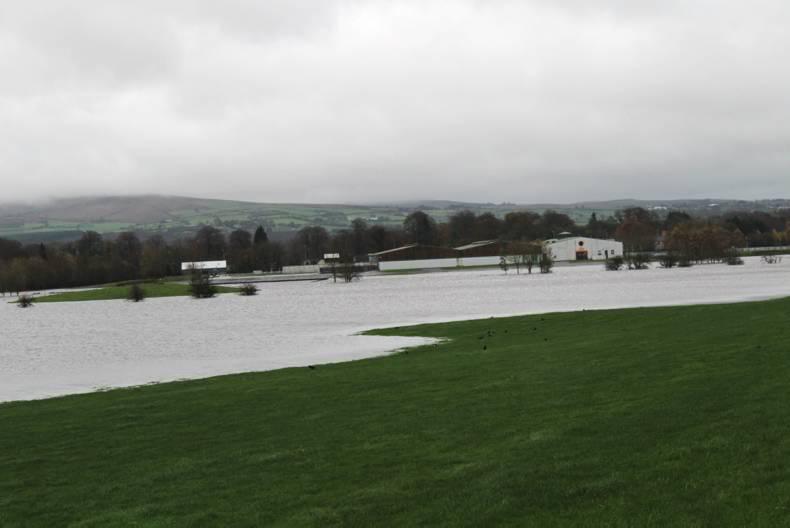
With global warming comes an increase in the amount of rainfall, and also the melting of the polar ice caps with the resulting rise in sea levels. Whilst flooding is also a natural phenomenon over the past number of years land use planning policy has become responsive to the growing incidence of flooding as a result of climate change.
The main aims of planning policy with respect to land use and flooding are to prevent inappropriate new development in areas known to be at risk of flooding or that may increase the risk of flood elsewhere, and, to adopt a “precautionary approach” to the identification of land for development.
There is a general presumption against development in flood plains, however there are some specified exceptions and in such cases planning policy states that a Flood Risk Assessment must be submitted with the planning application.
In a case near Sixmilecross, the decision of the planning authority to seek the removal of a domestic shed that had been built next to a watercourse was overturned on appeal two weeks ago. Householder development within the curtilage of a dwelling is one of the exceptions to building in a flood plain, however the Council’s objection to the development hinged on the fact that a Flood Risk Assessment had not been completed.
Over the course of the appeal the appellant provided information regarding the levels of the appeal site and neighbouring land on the opposite side of the watercourse, which demonstrated that in the event of out of bank flooding, that the water would flow to the agricultural land on the opposite side of the watercourse and not the shed. As a consequence it was considered that a Flood Risk Assessment was not necessary.
Where a development is located next to a watercourse or flood defence structure, it is necessary to maintain a working strip for access and maintenance. For this reason a condition that requiring certain amendments be made to the shed was attached to the grant of planning permission following the appeal.
Omagh and some of the surrounding towns have themselves experienced flooding over the years. Although policy on land use planning and flood risk is provided at a regional level, the individual Council’s may also issue their own bespoke policies. Fermanagh and Omagh District Council has laid out its strategy on Flood Risk Management in its draft Plan Strategy and which appears to be largely based on the existing regional approach.