
It has been recently reported that the popularity of coffee shops is expected to continue to rise over the coming years with spending in coffee shop chains expected to reach £4.5 billion by 2024.
A few years ago planning permission was refused for a coffee shop and hot food bar at the site of the former police station on Mountjoy Road, Omagh, partly because it was considered that, “it would have a detrimental impact on the vitality and viability of the town centre”.
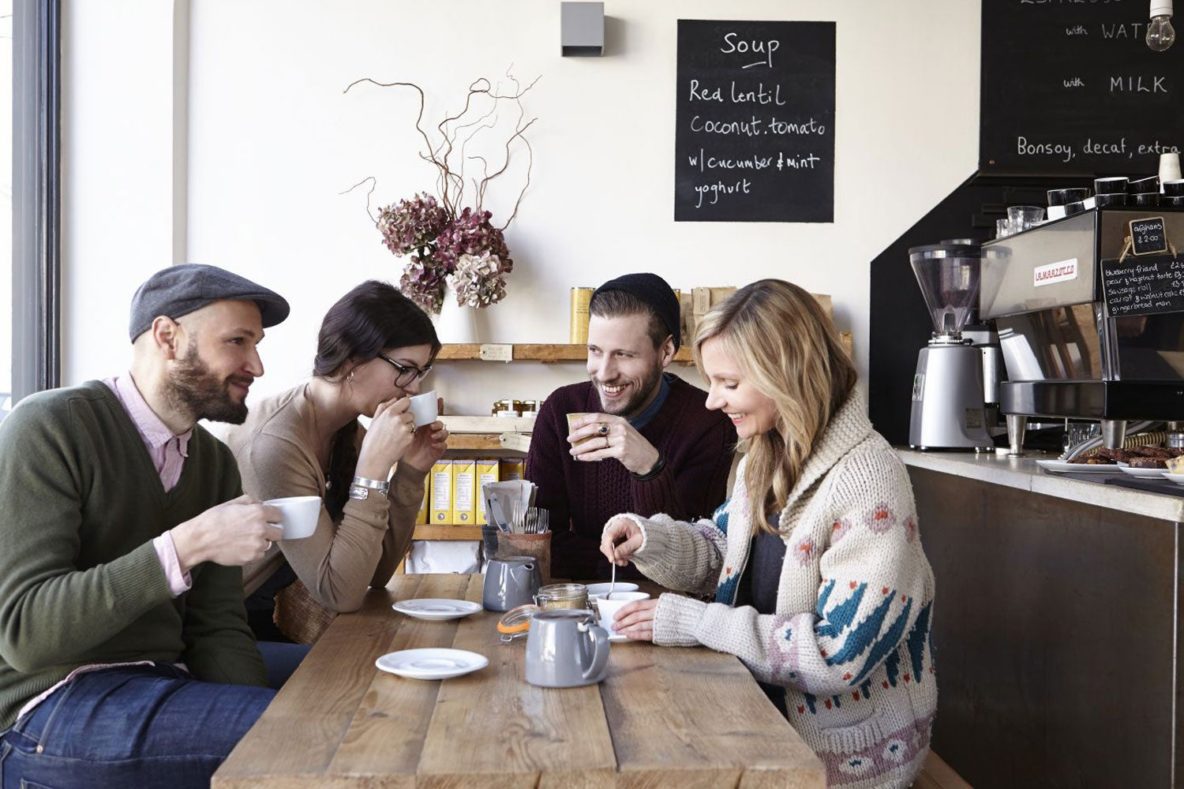
How we use coffee shops and the particular consumer experience that coffee shops offer has changed dramatically over the years. At a local level a decade or so ago, a coffee shop or café (as was the term then) was either a lunch spot for town centre workers or a place to take a break from a Saturday of browsing the shops. In both cases it played something of a supporting role in terms of other town centre uses. Nowadays to “go for coffee” is an event in itself and the coffee shop is a destination in its own right. It is a place to spend time with friends, to take time out or to do business and it is availed of by all ages and genders.
We now live much more flexibly. Information technology and electronic communication means that many jobs are no longer tied to a purpose built building. Not only are we less fixed geographically but there is flexibility in terms of how a particular place is used – for example a place designed principally for socialising or relaxing can also be place to do business.
The role and status of town centres and has also changed over the decades. With increased car ownership and the outward expansion of the residential population, we now live our lives over a wider geographical area – and consequently further away from the town centre.
Alongside all that we have had the rise in status of the coffee shop. No longer playing second fiddle to retail development, coffee shops have become an important everyday part of our social and working lives and accordingly planning policy needs to facilitate coffee shops in locations that support communities and neighbourhoods and not just commercial centres.
A coffee shop at the site of the old police station would have had an existing customer base to draw on: the Council Offices, the Grange Park, the Leisure Centre and the numerous residences around the Old Mountfield and Circular Roads – all of which are within walking distance and thereby meeting one of the markers of sustainable development.
Whilst coffee shops still play a vital role in contributing to the commercial success of town centres, the idea that should they be allowed in out of centre locations would somehow undermine our town centres, is based on an outdated notion of town centres as being the single locus for all consumer activity.